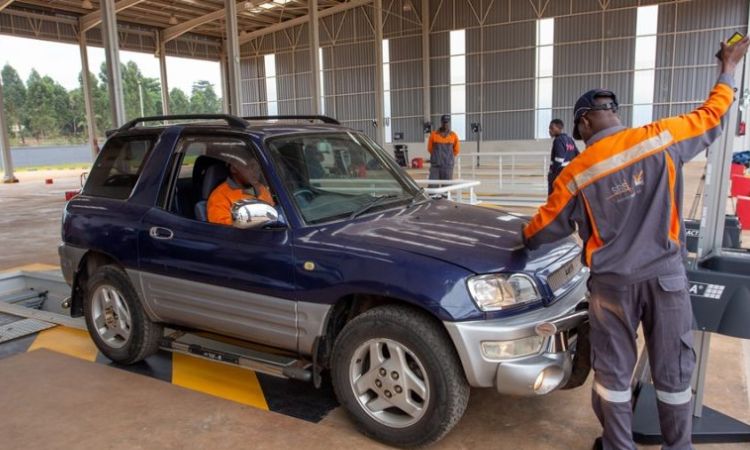
Complete Pre Trip Car Inspection Checklist for Safe Road Trips
Car Inspection Checklist: Use this complete pre trip car inspection checklist to prepare your vehicle for a safe and stress-free road trip. Avoid breakdowns and travel confidently.
Embarking on a road trip can be an exciting adventure, but nothing derails plans faster than a vehicle breakdown. A thorough pre trip car inspection checklist is essential for ensuring your car’s reliability, safety, and performance.
Whether you’re heading out for a family vacation, a business trip, or an African safari through rugged terrains, this guide will help you avoid costly repairs and potential accidents.
By following this complete pre-trip vehicle inspection checklist, you’ll gain peace of mind and focus on enjoying the journey.
Below is the complete Car Inspection Checklist;
Engine & Fluids Checklist
Start under the hood with the engine and fluids—the heart of your vehicle. Begin by checking the engine oil level and condition. Use the dipstick to ensure it’s at the correct level; top up if needed and note any dark, gritty oil, which signals a need for change. For long trips, fresh oil prevents overheating and engine wear.
Next, inspect the coolant level in the reservoir—low levels can lead to engine overheating, especially in hot climates like Uganda’s dry seasons. Brake fluid should be clear and at the marked level; murky fluid indicates contamination.
Don’t forget power steering fluid for smooth handling and transmission fluid for seamless gear shifts. Park on a level surface and scan for leaks under the car—puddles could mean trouble ahead.
Incorporating these steps into your car fluid checklist ensures your vehicle runs smoothly. Mechanic recommendations often include using manufacturer-specified fluids to avoid compatibility issues.
Battery & Electrical System
A dead battery can strand you miles from nowhere, so include a car battery check before road trip in your routine. Test the battery charge with a voltmeter (aim for 12.6 volts or higher) and clean corroded terminals with a baking soda solution. Loose connections? Tighten them securely.
Move to the electrical system inspection: Turn on headlights, brake lights, and indicators to confirm they’re bright and functional. Check interior lights, the horn for audibility, and dashboard warning lights—any illuminated icons warrant immediate attention. For safaris in remote areas, a reliable electrical system is non-negotiable, as it powers navigation and emergency signals.
Tyres & Wheels
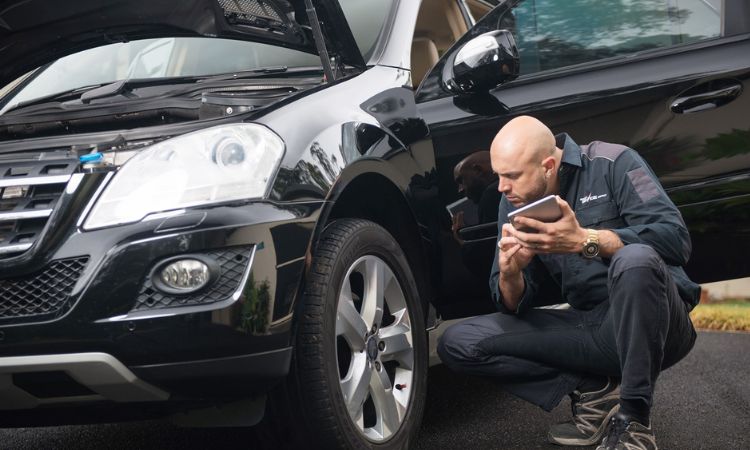
Tyres are your car’s contact with the road, making them critical for safety. Check tyre pressure for long distance travel using a gauge—match it to the manufacturer’s PSI recommendation, including the spare tyre. Underinflated tyres increase fuel consumption and blowout risks.
Inspect tread depth (at least 1.6mm) and look for cracks, bulges, or uneven wear, which might indicate alignment issues. Ensure wheels are balanced and lug nuts are tight. Verify the jack and spare tyre checklist: Is the spare inflated and the jack operational? In East Africa’s rough roads, proper tyre maintenance prevents flats on unpaved paths.
Brakes & Suspension
Brakes are your lifesaver in emergencies, so perform a brake inspection before travel. Listen for squealing or grinding noises when applying brakes—these suggest worn pads. Test responsiveness in a safe area; spongy pedals mean air in the lines or low fluid.
For suspension check before road trip, bounce each corner of the car; excessive rebound indicates worn shocks. Check for sagging or unusual noises over bumps, and ensure steering is stable without pulling. Manufacturer guidelines recommend professional inspections if you’re unsure, especially for high-mileage vehicles.
Visibility & Safety
Clear visibility is key to accident prevention. Examine the windscreen for cracks or chips that could impair vision—repair small ones promptly. Test wiper blades for streaking and top up washer fluid. Adjust side mirrors for optimal coverage and ensure all glass is clean.
In foggy or rainy conditions common in parts of Uganda, functional wipers are vital. This section ties into overall road trip safety checklist by emphasizing proactive maintenance.
Fuel System
Plan your fuel level based on route distances—aim to start with a full tank. Inspect the fuel cap for secure fit and check for leakage signs around the tank.
For long trips in East Africa, where stations might be sparse, calculate fuel efficiency tips: Maintain steady speeds and avoid overloading.
Emergency & Safety Kit
No pre-trip checklist is complete without a car emergency kit checklist. Stock a warning triangle, first aid kit with bandages and antiseptics, jumper cables, a fire extinguisher, torch with extra batteries, basic tools like screwdrivers, and spare fuses. For African safaris, add items like a tyre repair kit and water reserves to handle remote breakdowns.
Documents & Legal Checks
Gather essential papers: Vehicle registration, valid insurance, driving license, and any cross-border documents for international legs. Expired documents can lead to fines or delays—double-check validity.
For long road trips in Uganda and East Africa, consider rough road considerations like carrying extra permits for national parks. Hot climates can affect battery life and tyre pressure, so factor in frequent checks.
Pre-Trip Car Inspection Checklist Table
Here’s a skimmable table for quick reference—use it as a featured snippet opportunity:
|
Inspection Area |
What to Check |
Status |
|
Engine Oil |
Correct level and condition |
☐ |
|
Coolant |
Proper level |
☐ |
|
Tyres |
Pressure, tread, and spare |
☐ |
|
Brakes |
Pad condition and responsiveness |
☐ |
|
Battery |
Charge and terminals |
☐ |
|
Lights |
Headlights, brakes, indicators |
☐ |
|
Emergency Kit |
Full stock |
☐ |
|
Documents |
Validity and completeness |
☐ |
FAQ: Car Inspection Checklist
What should I check on my car before a long trip?
Focus on fluids, tyres, brakes, battery, lights, and emergency kits as outlined in this pre trip car inspection checklist.
Should I service my car before traveling?
Yes, if it’s due or if you’ve noticed issues. A full service aligns with manufacturer guidelines for optimal performance.
How often should I inspect my car during a road trip?
Quick checks every 200-300 miles, especially fluids and tyres, prevent mid-journey problems.
What is included in a pre-trip vehicle inspection?
It covers engine, electrical, tyres, brakes, visibility, fuel, emergency kits, and documents for comprehensive safety.
Can I travel without a spare tyre?
It’s risky, especially on long distances. Always carry one, inflated and ready, per safety tips.
In conclusion, adhering to this pre trip car inspection checklist ensures safe, stress-free travels. Drawing from mechanic recommendations and automotive standards, these steps build trust in your preparation. For African adventures, adapt for local conditions like heat and terrain.