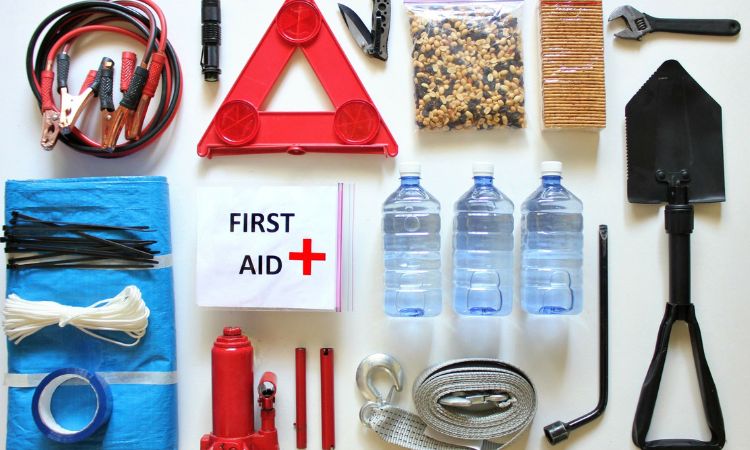
Car Emergency Kit Checklist: Must-Have Items for Every Driver
A car emergency kit checklist is essential for every driver, whether you’re commuting daily, embarking on road trips, or tackling self-drive safaris in remote areas.
No one plans for a breakdown, flat tire, accident, or getting stranded, but being prepared can turn a stressful situation into a manageable one.
A well-stocked kit provides safety, basic repairs, first aid, and survival essentials, giving you peace of mind on the road.
In regions like East Africa, where self-drive travelers explore Uganda national parks, Kenya’s vast landscapes, or other remote roads with poor cell signal, long distances between fuel stations, and potential wildlife encounters, a comprehensive kit becomes even more critical. This guide covers must-have items, tailored advice for various scenarios, and tips to stay safe.
Why Every Driver Needs a Car Emergency Kit
A car emergency kit helps in common situations like dead batteries, tire punctures, minor collisions, or being stuck in bad weather. For daily drivers, it ensures quick fixes without waiting hours for assistance.
For road trippers and self-drive safari enthusiasts, it addresses extended isolation—think hours without help in areas with limited infrastructure. Even short trips can turn challenging due to unexpected events, so preparedness is key for all.
Core Car Emergency Kit Checklist
Organize your kit in a sturdy, waterproof bag or box stored in the trunk for easy access.
A. Safety & Warning Equipment
Prioritize visibility to prevent secondary accidents.
- Reflective warning triangle (mandatory in many places, like South Africa for post-2007 vehicles; highly recommended everywhere)
- High-visibility vest or reflective jacket
- Torch/flashlight (with extra batteries) or headlamp
- Whistle (for signaling help)
- Road flares (if allowed in your area)
These road safety equipment items alert oncoming traffic and protect you while handling issues.
B. First Aid Kit Essentials
Treat injuries promptly to avoid complications.
- Bandages, gauze pads, and adhesive tape
- Antiseptic wipes and ointment
- Pain relievers (e.g., ibuprofen or paracetamol)
- Disposable gloves and face masks
- Scissors and tweezers
- Emergency contact card with medical info and allergies
A solid first aid kit for car use covers cuts, burns, sprains, and basic wound care—vital after minor accidents or during outdoor activities.
C. Basic Car Repair Tools
Handle common mechanical problems yourself.
- Jack and wheel spanner (lug wrench)
- Jumper cables or portable jump starter
- Tow rope or strap
- Basic toolkit (screwdrivers, pliers, adjustable wrench)
- Tire pressure gauge
- Duct tape and multi-tool
These tools to carry in a car enable quick fixes like changing a tire or jump-starting the battery.
D. Tyre & Breakdown Items
Tires are a frequent failure point.
- Spare tire (properly inflated and checked regularly)
- Tire inflator/compressor or puncture repair kit/sealant
- Wheel chocks (to prevent rolling)
Always verify your spare’s condition before long drives.
E. Power & Communication Items
Stay connected when stranded.
- Power bank (high-capacity)
- Car charger and extra phone cables
- Hand-crank or battery-powered emergency radio (for weather updates)
- Offline maps or physical paper maps
In remote East African areas with spotty signals, these keep navigation and emergency calls possible.
F. Personal Survival Supplies
Especially crucial for long trips or harsh conditions.
- Drinking water (at least 1-2 liters per person; more for hot climates or safaris)
- Non-perishable snacks (energy bars, nuts)
- Emergency blanket (space blanket)
- Raincoat or poncho
- Sunscreen and hat (for intense sun exposure)
These emergency supplies for road trips prevent dehydration, hypothermia, or exhaustion while waiting for help.
G. Documents & Information
Keep copies handy.
- Vehicle insurance and registration copies
- Roadside assistance numbers (local and international if traveling)
- Driver’s license and ID
- Emergency cash in small denominations
Store in a waterproof pouch.
Location-Specific Advice for Self-Drive Safaris in East Africa
For self-drive adventures in Uganda, Kenya, or similar regions, adapt your kit to unique challenges:
- Remote roads with poor phone signal and long distances between services mean extra water, fuel jerry cans (if permitted), and offline maps are lifesavers.
- Wildlife encounters require staying in your vehicle; add binoculars for safe observation.
- Heat and dust call for more hydration and sun protection.
- Carry a first aid kit suited for minor injuries from rough terrain or animal-related incidents.
Always inform someone of your route and expected arrival, and consider satellite communication devices for true wilderness areas.
How Often Should You Update Your Kit?
Check every 6 months: Replace expired items (food, medications, batteries), test tools, and refresh water/snacks. Seasonal adjustments—like extra blankets for cooler months or more fluids for summer—keep it relevant.
FAQ about Car Emergency Kit Checklist
What should be in a car emergency kit?
A mix of safety gear, first aid, tools, survival items, and documents as outlined above.
Is a car emergency kit mandatory?
Not universally, but items like reflective triangles are required by law in places like South Africa (post-2007 vehicles) and some East African countries. It’s strongly recommended everywhere for safety.
How often should I update my emergency kit?
Every 6 months, or after any use. Check expiration dates on perishables.
What emergency items are required by law?
Varies by location—e.g., warning triangles in many African countries, high-visibility vests in Europe. Research local regulations.
Should I carry an emergency kit for short trips?
Yes—emergencies don’t discriminate by distance. A basic kit takes little space and provides huge reassurance.