12 Unique Places to Visit in Nairobi: Hidden Gems in Kenya
Unique places to visit in Nairobi:Here are 12 standout attractions, categorized for easy planning. These include popular highlights with unique twists plus genuine hidden gems for an off-the-beaten-path experience.
Wildlife Experiences
- Nairobi National Park
What makes it unique: The only national park inside a capital city, offering game drives with the Nairobi skyline visible— a striking contrast of wildlife and urban life. Home to black rhinos, lions, giraffes, zebras, and over 400 bird species.
Activities: Self-drive or guided game drives, picnics, birdwatching.
Entry fee (2026 approx.): Non-residents ~US$43–65/adult (varies by season; check KWS for updates), lower for residents/citizens. Vehicle fee applies.
Best time to visit: Dry seasons (June–October, January–February) for better sightings as animals congregate at water sources; early morning for active wildlife. Open 6 AM–6 PM. - Giraffe Centre
What makes it unique: Up-close encounters with endangered Rothschild’s giraffes at eye level—feed them pellets from a raised platform as they gently take food from your hands (or even kiss you!). Part of the African Fund for Endangered Wildlife.
Activities: Feeding giraffes, educational talks, short nature trails, warthog spotting.
Entry fee: Non-residents KSh 1,500/adult, KSh 750/child; residents lower (KSh 400/adult). Cards/M-Pesa accepted.
Best time: Mornings (9–11 AM) when giraffes are hungry and crowds thinner; open daily 9 AM–5 PM. Combine with nearby Sheldrick Elephant Orphanage. - David Sheldrick Wildlife Trust (Elephant Orphanage)
What makes it unique: Orphaned baby elephants (and occasional rhinos) rescued and rehabilitated for release into the wild. Watch keepers feed and play with the young ones.
Activities: Viewing the midday mud bath and feeding session (public access limited to 11 AM–noon).
Entry fee: Donation-based (suggested contributions).
Best time: Arrive early for the 11 AM session; dry season for easier access.
Cultural & Artistic Spots
- Karen Blixen Museum
What makes it unique: Former home of Danish author Karen Blixen (Out of Africa), preserved with original furnishings, gardens, and artifacts evoking colonial-era Kenya.
Activities: Guided tours of the house and grounds, coffee plantation views, gift shop.
Entry fee (post-May 2026 updates): Non-residents ~US$15–17/adult; Kenyan citizens ~KSh 550/adult (check official sites for exact revised rates).
Best time: Mornings to avoid heat; open daily. Pair with nearby Giraffe Centre. - GoDown Arts Centre
What makes it unique: Vibrant hub for contemporary Kenyan art, performance, and creativity in a converted industrial space—exhibitions, workshops, and festivals celebrate local talent.
Activities: View exhibitions, attend performances/workshops, explore artist studios.
Entry fee: Often free or low for events (check schedule).
Best time: Weekends or during festivals like Nai Ni Who?; open Mon–Fri office hours, events vary. - Bomas of Kenya
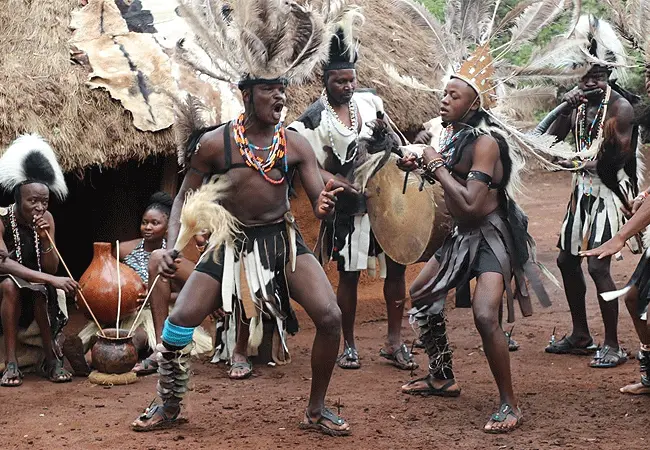
What makes it unique: Living cultural village showcasing traditional Kenyan homesteads from various ethnic groups, with daily dance performances.
Activities: Watch acrobatic and tribal dances, tour model villages.
Entry fee: Moderate; varies by show.
Best time: Afternoon for performances.

Hidden Nature Spots
- Karura Forest
What makes it unique: Urban forest reserve with waterfalls, caves, and trails— a peaceful escape from city noise offering birdwatching and picnics.
Activities: Hiking/jogging trails, cycling, waterfall visits, picnics at River Cafe.
Entry fee: Citizens KSh 100–174/adult; non-residents higher (KSh 600–850); parking extra.
Best time: Weekday mornings; open 6 AM–6 PM. Wear sturdy shoes. - Ngong Hills
What makes it unique: Scenic rolling hills with panoramic views of the Rift Valley and Nairobi—famous for hiking and wind energy projects.
Activities: Hiking the seven peaks (4–6 hours), picnicking, photography.
Entry fee: ~KSh 200–600/person depending on residency.
Best time: Dry season for clear views and firm trails; early morning start. Guided hikes recommended for safety. - Oloolua Nature Trail (in Karen)
What makes it unique: Lesser-known forest trail with a waterfall, cave, and indigenous trees—ideal for quiet nature walks.
Activities: Short hikes, birdwatching.
Entry fee: Low or included in local access.
Best time: Mornings.
Unique Markets & Experiences
- Maasai Market
What makes it unique: Vibrant rotating open-air market selling authentic Maasai beads, crafts, fabrics, and souvenirs—bargaining is part of the fun.
Activities: Shopping, cultural interaction with artisans.
Entry fee: Free.
Best time: Specific days/locations (e.g., Saturdays at certain malls); mornings for best selection. Locations rotate weekly—confirm current spots. - Nairobi Snake Park (at National Museum)
What makes it unique: Educational reptile collection with snakes, crocodiles, and turtles—great for families interested in Kenya’s biodiversity.
Activities: Guided viewing, learning sessions.
Best time: Combine with museum visit. - Local Street Food Spots & Paradise Lost (day trip)
What makes it unique: Immersive food experiences or nearby cave/waterfall spots like Paradise Lost for unusual picnics and boat rides.
Activities: Try nyama choma, ugali, or street eats on guided tours.
Additional hidden gems: Nairobi Arboretum, Railway Museum, or Museum of Illusions for interactive fun.
Things to Do at Each Place
For deeper engagement, spend 1–2 hours at most sites. At Nairobi National Park, opt for a guided drive to learn about conservation. At the Giraffe Centre, attend the educational lecture for insights into giraffe conservation.
In Karura Forest, hike to the waterfall then relax with a meal. Ngong Hills rewards fit hikers with summit views—bring water and sunscreen.
Markets thrive on negotiation; polite bargaining can halve prices. These activities boost dwell time and create authentic memories while supporting local communities.
Best Time to Visit Nairobi
Nairobi enjoys a pleasant highland climate. Dry seasons (June–October and January–February) are ideal for outdoor activities, wildlife, and hiking—clear skies, fewer mosquitoes, and concentrated animal sightings. July–September offers cool, dry weather perfect for parks and forests.
Rainy seasons (long: March–May; short: October–December) bring lush greenery and lower crowds/prices but muddy trails and occasional downpours. Avoid peak long rains (April) for heavy flooding risks. Best overall: July–September or January–February for balanced experiences.
How to Get Around Nairobi
Nairobi’s traffic can be chaotic, so plan accordingly.
- Uber/Bolt: Safest and most convenient for tourists—reliable tracking, cashless options, often cheaper than traditional taxis.
- Taxis: Hotel-arranged or official stands; negotiate fares upfront.
- Car rentals: Good for independent park visits but challenging due to traffic and parking; 4×4 recommended for some areas.
- Matatus/buses: Cheap local option but crowded and less comfortable for visitors—use daytime only with caution.
For safety, stick to well-reviewed transport, especially at night. Many attractions are reachable via short drives from central areas.
Where to Stay in Nairobi
- Budget: Hostels or guesthouses in Westlands or near the airport (~US$20–50/night), e.g., simple eco-lodges.
- Mid-range: Hotels like Best Western or Tribe Hotel in Westlands/Gigiri (~US$80–150), offering pools and convenient locations.
- Luxury: Hemingways Nairobi, Fairmont Norfolk, or Giraffe Manor (iconic giraffe visits) in Karen (~US$200+), with spas and wildlife views.
Choose based on focus: Karen for southern attractions, Westlands for nightlife/arts. Book in advance for peak dry season.
Unique Experiences
Enhance your trip with:
- Food tours: Sample street eats like nyama choma, ugali, and local delicacies—authentic and delicious.
- Nightlife: Rooftop bars, live music at cultural centers, or happy hour crawls.
- Cultural tours: Kibera insights (ethical operators) or traditional dance at Bomas.
- Nairobi City Tour Packages: Combine park, giraffe, and museum visits with a knowledgeable guide for seamless exploration.
These add depth and support local economies.
Popular vs Hidden Places Comparison
Popular spots like Nairobi National Park and Giraffe Centre offer iconic wildlife but can get crowded. Hidden gems such as Karura Forest, GoDown Arts Centre, or Oloolua Trail provide tranquility and fewer tourists, revealing authentic Nairobi life.
Popular sites suit first-timers; off-the-beaten-path options reward repeat visitors seeking unusual things to do in Nairobi.
Combining both maximizes your trip—e.g., morning park drive, afternoon forest hike. This “Nairobi off the beaten path” balance captures more of the city’s essence than safari transit alone.
FAQs – Unique places to visit in nairobi
What are the most unique places in Nairobi?
Nairobi National Park (skyline + wildlife), Giraffe Centre (feeding experiences), Karura Forest (urban wilderness), and Ngong Hills (hiking views) top the list for hidden gems and unusual attractions.
Is Nairobi worth visiting?
Absolutely—beyond a transit point, it offers unique urban-wildlife blends, culture, and experiences not found elsewhere in Kenya.
How many days do you need in Nairobi?
2–4 days suffice for key spots; add more for relaxed pacing or day trips.
Is Nairobi safe for tourists?
Exercise caution as in any major city—use Uber, avoid isolated areas at night, and stick to tourist zones. Tourist areas are generally secure with hotel/private transport. Always check current advisories.
Ready to Explore Nairobi’s Hidden Gems?
Nairobi rewards curious travelers with unforgettable moments. For hassle-free discovery, consider our Nairobi City Tour Packages or customized Kenya safari packages that include city stops en route to the Maasai Mara and beyond.
Contact us today to book your 2026 adventure—let us handle logistics while you enjoy the magic. Inquire now and turn your Nairobi stop into a highlight!