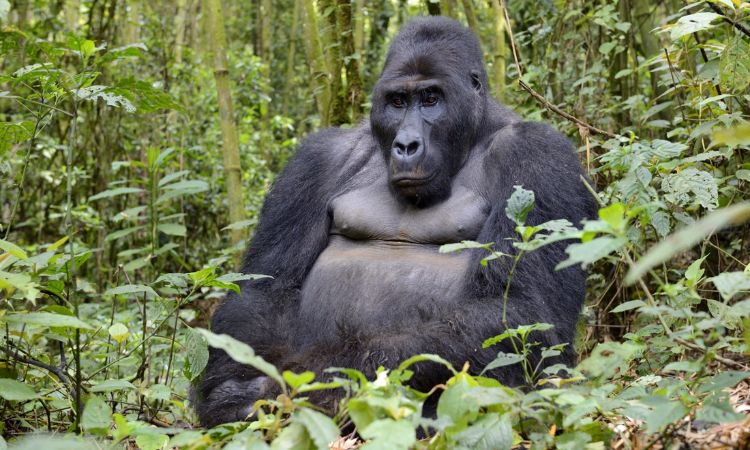
Mgahinga Gorilla National Park: Gorillas, Golden Monkeys & Safari Guide
Mgahinga Gorilla National Park stands as Uganda’s smallest national park, a compact yet breathtaking gem nestled in the southwestern corner of the country. Spanning just 33.9 km², it forms part of the iconic Virunga Mountains, a chain of extinct volcanoes shared with Rwanda and the Democratic Republic of Congo.
This transboundary protected area offers one of Africa’s most intimate wildlife experiences, particularly gorilla trekking in Mgahinga.
Visitors trek through misty bamboo forests and volcanic slopes to encounter the endangered mountain gorillas in a setting with far fewer crowds than the more famous Bwindi Impenetrable National Park.
Whether you seek a focused primate safari or a broader Mgahinga Uganda safari combining gorillas, golden monkeys, and volcano hikes, this park delivers raw natural beauty and authentic adventure.
Its location near the borders of Rwanda and DR Congo adds a unique cross-border allure, making it ideal for travelers exploring the Greater Virunga landscape.
Mgahinga Gorilla National Park Location
Mgahinga Gorilla National Park lies in Kisoro District, southwestern Uganda, approximately 15 km south of Kisoro town. It sits at the northern edge of the Virunga Mountains, with coordinates around 1°22′S 29°38′E.
The park borders Rwanda’s Volcanoes National Park to the south and DR Congo’s Virunga National Park to the west, creating a continuous habitat for mountain gorillas and other species.
From Kampala, the journey covers about 510–540 km, passing through scenic highland areas via Kabale and Kisoro. The park’s Mgahinga Gorilla National Park map typically shows three prominent volcanic peaks dominating the landscape: Mount Muhabura, Mount Gahinga, and Mount Sabyinyo.
The main entrance gate at Ntebeko serves as the starting point for most activities, including gorilla trekking and golden monkey tracking. A basic park map highlights trails leading into bamboo zones, forested slopes, and volcanic craters.
The park’s high-altitude setting (ranging from about 2,000 to over 4,000 meters) creates a cool, misty climate distinct from lowland Ugandan parks.
This Mgahinga gorilla national park location makes it easily combinable with Rwanda gorilla experiences or standalone for those seeking a quieter alternative.
Why Visit Mgahinga Gorilla National Park?
What makes Mgahinga Gorilla National Park special is its intimate scale and dramatic scenery. Unlike the dense, impenetrable rainforest of Bwindi, Mgahinga features open volcanic landscapes, bamboo forests, and sweeping views across three countries. The park hosts fewer visitors daily, offering a more exclusive feel during gorilla trekking Mgahinga.
Key highlights include:
- Fewer crowds: Only one habituated gorilla group means limited permits, but also a more personal encounter.
- Scenic volcanic landscapes: Trekking here combines primate viewing with stunning vistas of the Virunga chain.
- Unique wildlife: Home to mountain gorillas and the rare golden monkey, plus opportunities for volcano hiking and cultural immersion with the Batwa people.
- Transboundary appeal: Part of the Virunga Conservation Area, it supports regional conservation efforts.
For nature lovers, Mgahinga National Park Uganda provides a perfect blend of wildlife, adventure, and cultural experiences in a compact, manageable area. Its smaller size allows for varied activities without the long drives common in larger parks.
Gorilla Trekking in Mgahinga
Gorilla trekking Mgahinga ranks among the most rewarding primate experiences in Africa. The park has only one habituated gorilla group: the Nyakagezi family. This family is known for its dynamic composition, often including multiple silverbacks, which is relatively rare.
Trekkers depart early from Ntebeko Gate after a briefing on rules and safety. Armed rangers and experienced guides lead the group through steep, sometimes muddy trails into the forested slopes.
The trekking experience varies with the gorillas’ location but typically lasts 2–6 hours of hiking, depending on fitness and weather. Once located, visitors spend a magical one hour observing the gorillas—watching silverbacks chest-beat, juveniles play, and mothers care for infants.
The terrain in Mgahinga can feel more open than Bwindi, sometimes offering clearer views, though it involves altitude and potential steep sections. Difficulty level is moderate to strenuous; good physical fitness helps, but porters are available for support.
The intimacy of tracking the single Nyakagezi group often results in high-quality encounters with less competition from other tourists. Many describe it as more “wild” and scenic due to the volcanic backdrop.

Gorilla Trekking Permits and Costs
A gorilla trekking permit is mandatory and limited. For 2026, the cost for foreign non-residents is $800 per person for one hour with the gorillas. Foreign residents pay around $700, while East African citizens enjoy lower rates (approximately UGX 300,000). This fee covers park entry, guide services, and ranger protection.
Mgahinga permits sell out slower than Bwindi’s due to the single group, but advance booking (ideally 3–6 months ahead, or more for peak seasons) is still essential.
Permits can be booked through the Uganda Wildlife Authority (UWA) or trusted tour operators. The permit includes the briefing and ensures strict adherence to rules, such as maintaining a 7-meter distance and no flash photography.
Mgahinga gorilla national park entrance fee is separate: $40 for foreign non-residents per day for general access, though activity-specific fees like gorilla trekking cover most costs. Additional activities have their own fees.
Booking tips: Secure permits early for dry season dates. Combine with golden monkey tracking for a fuller experience. Reputable operators can handle logistics, including transfers and accommodations.
Golden Monkey Tracking in Mgahinga National Park
Golden monkey trekking in Mgahinga National Park offers a delightful complement to gorilla trekking. These rare, endangered primates are endemic to the Virunga region and habituated in Mgahinga, the only Ugandan park where this activity is available. Two troops (around 40–60 individuals each) live in the bamboo zones at higher altitudes.
The trek starts similarly at Ntebeko, heading into dense bamboo forests. Golden monkeys are agile and playful, leaping between stems with their striking golden-orange coats flashing in the sunlight.
Tracking lasts 1–3 hours, with an hour spent observing the troop. The cost is affordable at about $60 for foreign non-residents, making it an excellent add-on.
Golden monkey tracking Uganda appeals to birders and primate enthusiasts alike, as the bamboo habitat also supports other species. Many visitors find it less physically demanding than gorilla trekking but equally enchanting.
Other Things to Do in Mgahinga
Beyond primates, activities in Mgahinga showcase the park’s volcanic heritage:
- Volcano hiking: Climb Mount Gahinga (easier, through bamboo to a crater swamp), Mount Sabyinyo (challenging with ridges and “teeth-like” peaks), or Mount Muhabura (steep ascent rewarding panoramic views of three countries).
- Nature walks: Short trails for birdwatching and forest exploration.
- Cultural encounters: Batwa Trail experiences introduce the indigenous Batwa people’s traditional knowledge, hunting techniques, and history.
These activities highlight what is unique about Mgahinga National Park—its dramatic volcanic scenery integrated with rich biodiversity and cultural heritage.
The Virunga Volcanoes in Mgahinga
The park’s three volcanoes define its character:
- Mount Muhabura (4,127m): The tallest, offering the most expansive views.
- Mount Gahinga (3,474m): Gentler slopes with beautiful bamboo and heather zones.
- Mount Sabyinyo (3,669m): Known for its jagged “old man’s teeth” peaks, providing a technical yet rewarding hike.
Hiking these Virunga Volcanoes in Mgahinga combines adventure with conservation, as the slopes form critical gorilla habitat. Permits for volcano climbing cost around $80.
Wildlife in Mgahinga Gorilla National Park
Animals in Mgahinga Gorilla National Park include the star attractions: mountain gorillas (part of the Nyakagezi group) and golden monkeys. Other species feature forest elephants (occasionally sighted), buffalo, various antelopes, and over 180 bird species.
The park supports the broader Virunga ecosystem, home to roughly half the world’s remaining mountain gorillas across Uganda, Rwanda, and Congo.
Best Time to Visit Mgahinga
The best time to visit Mgahinga aligns with drier seasons for easier trekking:
- June–September (long dry season)
- December–February (short dry season)
Trails are less slippery, and visibility improves. Rain can occur year-round, but these months minimize mud. Wet seasons (March–May, October–November) bring fewer crowds and lower lodge rates, ideal for budget travelers or birding, though paths become challenging.
Mgahinga gorilla national park weather is cool due to altitude—daytime highs around 20–24°C, nights dropping to 10–12°C, with frequent mist.
What is the best time of year to see gorillas in Uganda? The dry months generally provide the most comfortable conditions for gorilla viewing.
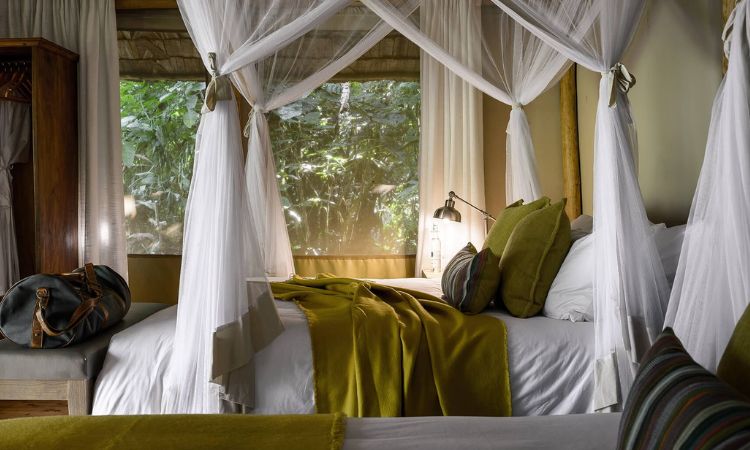
Accommodation Options in Mgahinga
Where to stay in Mgahinga ranges from basic to upscale, mostly near Kisoro or the park gate:
- Budget: Community campsites or simple guesthouses in Kisoro.
- Mid-range: Comfortable lodges with en-suite rooms and views of the volcanoes, such as Mount Gahinga Lodge.
- Luxury: Exclusive properties offering fine dining, spa services, and personalized service with stunning Virunga vistas.
Options are more limited than in Bwindi, emphasizing an intimate stay.
How to Get There
Getting to Mgahinga:
- By road: 9–10 hours drive from Kampala in a 4WD vehicle. The route via Kabale is scenic but winding.
- By air: Fly from Entebbe to Kisoro Airstrip (1-hour flight), followed by a 1–2 hour drive to the park.
Many combine with Kigali (Rwanda), a 3–4 hour drive away.
Packing List for Mgahinga
Essential items for gorilla trekking Mgahinga and other activities:
- Sturdy hiking boots with good grip
- Rain jacket or poncho (rain is unpredictable)
- Gardening gloves for grabbing vegetation
- Long-sleeved quick-dry clothing and trousers
- Warm layers (fleece/sweater) for cold mornings
- Hat, sunglasses, sunscreen, insect repellent
- Binoculars, camera (no flash), waterproof backpack
- Reusable water bottle, energy snacks, personal medications
Rubber boots can sometimes be rented locally.
Mgahinga vs Bwindi Gorilla Trekking
Mgahinga gorilla national park vs Bwindi:
- Bwindi Impenetrable National Park: Larger (321 km²), 15+ habituated groups, more permits available, denser forest, varied sectors (Buhoma, Ruhija, etc.). Trekking can be steeper and muddier but offers more gorilla family choices.
- Mgahinga: Smaller, one group (Nyakagezi), volcanic open scenery, potentially clearer views, fewer crowds, easier access from Kisoro/Rwanda border. Golden monkey tracking is unique to Mgahinga.
Bwindi suits those wanting flexibility and multiple gorilla options; Mgahinga appeals for intimacy, scenery, and combining with volcanoes or Rwanda. Many prefer Mgahinga for its “wilder” volcanic feel and less crowded experience.
Mgahinga vs Rwanda Gorilla Trekking (Volcanoes National Park)
Uganda offers better value for gorilla trekking. Mgahinga ($800 permit) versus Volcanoes National Park in Rwanda ($1,500).
Rwanda provides excellent infrastructure and shorter travel from Kigali, with multiple habituated groups and easier terrain in parts.
However, Mgahinga delivers similar Virunga experiences at nearly half the cost, plus golden monkeys and a more intimate single-group dynamic.
Uganda’s overall safari packages often prove more affordable when including accommodations and transfers. For budget-conscious travelers seeking authentic encounters, Mgahinga Uganda safari edges out as superior value while supporting conservation in the shared Virunga ecosystem.
FAQs about Mgahinga gorilla national park
Is Mgahinga good for gorilla trekking?
Yes—its intimate scale and scenic volcanic setting provide high-quality, less-crowded encounters with the Nyakagezi family.
How much is a permit?
$800 for foreign non-residents in 2026.
What is the best time to visit?
Dry seasons: June–September and December–February.
How many gorilla families are in Mgahinga?
Only one habituated group: Nyakagezi.
Is Mgahinga better than Bwindi?
It depends—Mgahinga excels in scenery and exclusivity; Bwindi offers more groups and flexibility. Many enjoy both.
Is it safe to go to Mgahinga Gorilla National Park?
Yes, with professional guides, rangers, and standard precautions. The area is stable for tourism.
What is unique about Mgahinga National Park?
Its small size, volcanic landscapes, single gorilla group, and golden monkey tracking in the Virunga Mountains.
Mgahinga gorilla national park weather?
Cool and misty year-round due to altitude; prepare for rain.
Conclusion
Mgahinga Gorilla National Park offers one of the most intimate and scenic gorilla trekking experiences in Africa, with fewer crowds and breathtaking volcanic landscapes. From tracking the Nyakagezi mountain gorillas and playful golden monkeys to hiking ancient volcanoes, it delivers an unforgettable encounter with endangered wildlife in a pristine environment.
For travelers seeking a unique, high-value alternative to busier destinations, Mgahinga combines adventure, conservation, and cultural depth perfectly.