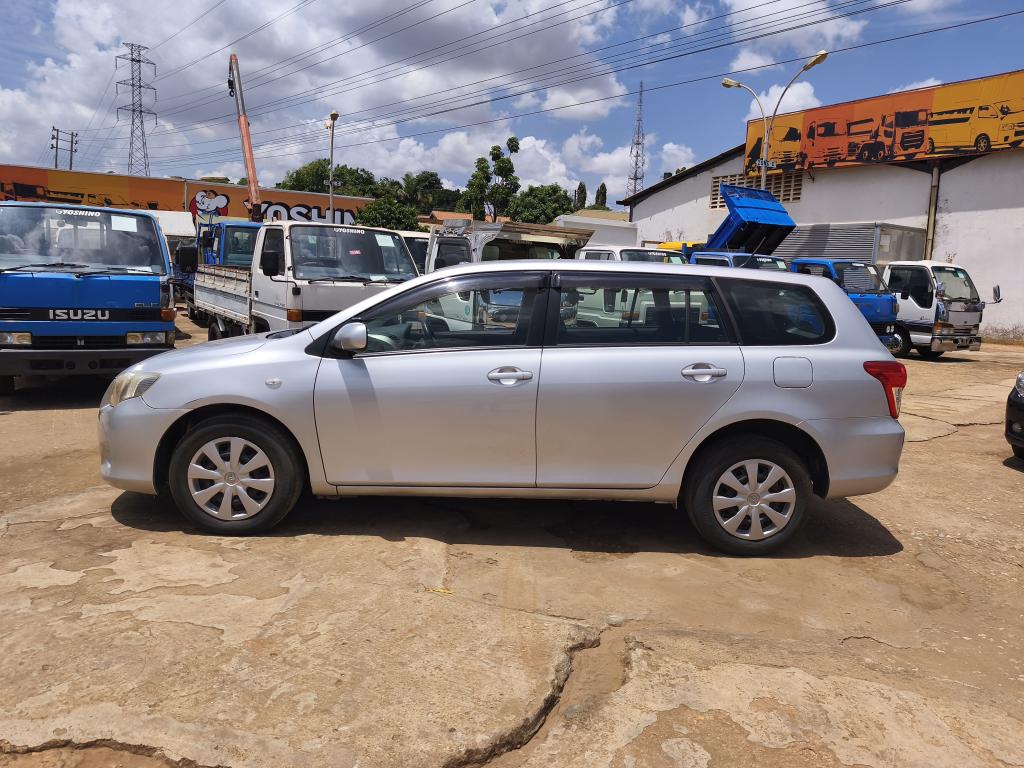
Which Car Has the Best Fuel Consumption in Uganda: Top Guide
With fuel prices continuing to fluctuate in Uganda, opting for a car with excellent fuel consumption is one of the smartest ways to cut running costs.
Petrol currently hovers around UGX 4,950 per liter (approximately USD 1.39–1.44 based on recent global data), while diesel is around UGX 4,690 per liter as of late January 2026.
In heavy Kampala traffic or on rural highways, a fuel-efficient vehicle can save thousands of shillings monthly. This guide ranks the most fuel-efficient cars in Uganda based on real-world reports from drivers, ride-hailing users , and popular used imports like Toyota and Honda models.
We focus on km/L (kilometers per liter), the standard metric here, blending manufacturer claims with local experiences on Ugandan roads.
How Fuel Consumption Is Measured
Fuel efficiency is typically listed as km/L in Uganda (higher is better). Manufacturer figures are often optimistic “combined” ratings, while real-world numbers drop due to traffic jams, hilly terrain, poor roads, AC use, and aggressive driving. Hybrids shine in stop-start city conditions, while small petrol or diesel engines perform well on highways.
Top Fuel-Efficient Cars in Uganda
Here are the standout options popular in Uganda’s used car market, especially for budget buyers seeking cheap cars with low fuel consumption:
- Toyota Prius (Hybrid) — Often tops lists for the best mileage car in Uganda. Real-world: 22–30 km/L (up to 25–30 in traffic). Ideal for long hours or city driving; quiet and low-maintenance.
- Toyota Aqua (Prius C Hybrid) — Compact hybrid sibling to Prius. Real-world: 20–25 km/L. Great value, spacious for its size, and hybrid tech excels in Ugandan traffic.
- Honda Fit (Hybrid or 1.3L/1.5L) — Versatile hatchback. Real-world: 18–25 km/L (hybrids higher). Affordable parts, roomy interior, and reliable.
- Toyota Passo / Vitz (1.0L–1.3L) — Among the most fuel-efficient Toyota cars and cheap fuel efficient cars. Real-world: 18–22 km/L (up to 20+ in city). Super popular for budget buyers and ride-hailing; easy to maintain.
- Toyota Fielder (1.5L or Hybrid) — Wagon for families. Real-world: 16–22 km/L. Spacious, reliable, and good for mixed use.
- Suzuki Alto / Swift (Hybrid variants) — Tiny and nimble. Real-world: 18–22 km/L. Ultra-cheap to run and park in Kampala.
- Toyota Probox (Diesel or Hybrid) — Commercial favorite. Real-world: 15–27 km/L (hybrids best). Practical for loads, with strong torque on hills.
Other mentions include Toyota Corolla (1.5L: ~18 km/L) and Honda City for balanced efficiency.
These models dominate because of availability, spare parts in Uganda, and resale value. Hybrids lead for pure efficiency, but small petrol cars win on upfront cost and simplicity.
Real-World Fuel Consumption in Uganda
Uganda road conditions—Kampala congestion, potholes, and hills—reduce mileage by 10–20% vs. lab tests. Hybrids recover energy in braking, boosting city figures. Diesel options like Probox offer torque for rural areas but may cost more in maintenance.
Fuel Prices & Cost Savings
At ~UGX 4,950/L for petrol, a Prius at 25 km/L vs. a less efficient car at 12 km/L saves big. For 20,000 km/year: efficient hybrid might cost UGX 4–5 million in fuel annually, vs. UGX 8+ million for thirstier models—savings of UGX 3–4 million yearly.
Best Fuel-Efficient Cars by Category
- Budget/Small Cars (cheap cars with low fuel consumption): Toyota Vitz, Passo, Honda Fit, Suzuki Alto.
- Hybrids/Eco Cars: Toyota Prius, Aqua, Honda Fit Hybrid.
- Diesel/Practical: Toyota Probox.
- 7-Seater Options (best 7 seater cars in Uganda with decent economy): Toyota Sienta or Noah hybrids (around 15–20 km/L, reliable for families).
- Most Reliable Cars in Uganda: Toyota models (Prius, Vitz, Corolla) top for longevity and low repair costs.
How to Choose a Fuel-Efficient Car in Uganda
Prioritize small engines (1.0–1.5L), hybrids for traffic, manual/CVT transmission, light weight, and local parts availability. Avoid large SUVs unless needed. Check maintenance—Toyota hybrids are reliable but need battery awareness.
Tips to Improve Fuel Economy
- Keep tire pressure optimal.
- Accelerate gently and anticipate stops.
- Service regularly (oil, filters).
- Remove excess weight.
- Use AC sparingly.
- Avoid idling in traffic.
These tips can boost efficiency by 10–15%.
Pros & Cons of Top Choices
Hybrids: Excellent savings, smooth, eco-friendly—but higher purchase price and potential battery costs long-term. Small petrol: Cheap upfront, easy fixes—but less power on steep hills. Diesel: Torque, highway efficiency—but noisier and pricier fuel in some cases.
FAQs about Which Car Has the Best Fuel Consumption in Uganda
What car gives the best mileage in Uganda?
Toyota Prius hybrid often leads with 22–30 km/L real-world.
Are hybrid cars worth it in Uganda?
Yes, especially in traffic; fuel savings offset higher cost over time, plus reliability.
Which small car has the best fuel economy?
Toyota Vitz or Passo (18–22 km/L).
Does tire pressure affect fuel consumption?
Yes—underinflated tires increase drag and reduce efficiency by up to 10%.
How much does fuel economy affect running costs?
Hugely—switching from 12 km/L to 22 km/L can halve fuel bills.
This guide draws from Ugandan driver reports, ride-hailing trends, and 2025–2026 market data. Last updated: January 2026. For the latest prices or imports, check local dealers.