
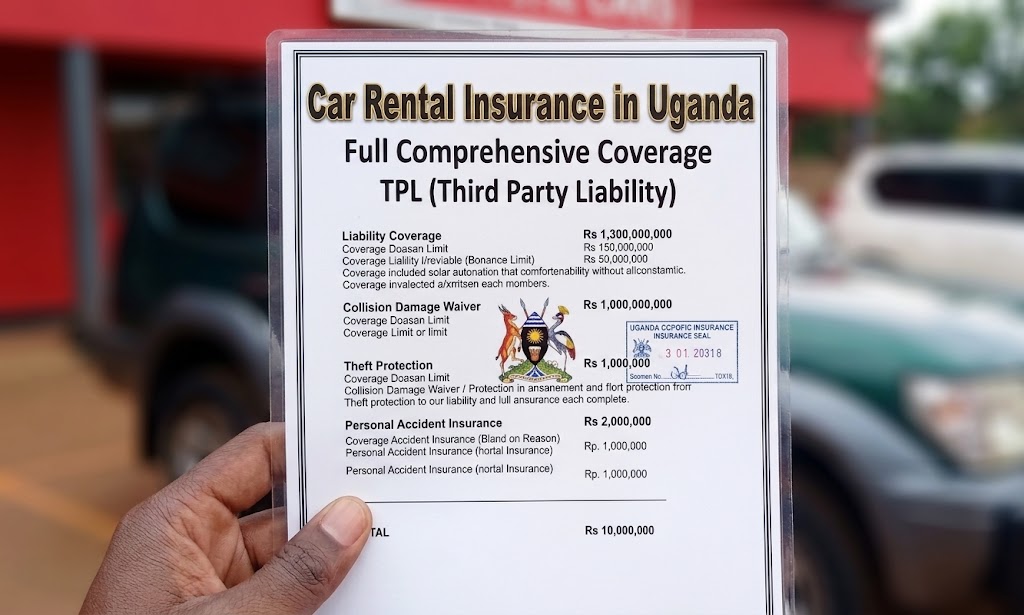
Car Rental Insurance in Uganda: What’s Covered & What’s Not?
Renting a car in Uganda? Learn what car rental insurance covers, what it excludes, how the excess works, and how to stay protected on your self-drive trip.
Renting a car is one of the best ways to explore Uganda: gorilla trekking in Bwindi, game drives in Queen Elizabeth, or a weekend in Jinja. Before you sign the rental agreement, though, you should understand what car rental insurance in Uganda covers. Knowing the details up front protects your budget and avoids surprises when you return the car.
This guide explains the common types of cover, what is usually excluded, how the excess works, and what to do if something goes wrong on the road.
Is Car Insurance Required in Uganda?
Yes. Every vehicle driven on Ugandan roads must have at least third-party insurance. A reputable car hire company makes sure all its vehicles are insured before they go out. When you rent a car, always confirm that the insurance is valid and the sticker is displayed on the windscreen.
Types of Car Rental Insurance in Uganda
1. Third-Party Insurance
This is the minimum legal cover. It pays for damage or injury you cause to other people or their property, such as another vehicle, a pedestrian, or a roadside structure. It does not cover damage to the rental car itself.
2. Comprehensive Insurance
Comprehensive cover protects the rental car as well as third parties. It typically covers:
- Accident damage to the rental vehicle
- Fire damage
- Theft of the vehicle
- Third-party damage and injury
Most self-drive renters prefer a car with comprehensive cover because it limits how much they pay if the car is damaged.
3. Collision Damage Waiver (CDW)
Some rental companies offer a collision damage waiver. It reduces the amount you are responsible for if the car is damaged in an accident. Ask your rental company whether a CDW is included or offered as an extra.
What Is the Insurance Excess?
The excess (also called a deductible) is the amount you pay toward a claim before the insurance covers the rest. For example, if the excess is set at a fixed amount and the repair costs more, you pay the excess and the insurance pays the balance.
The excess is often linked to the security deposit you pay when you pick up the car. If there is no damage, the deposit is refunded when you return the vehicle. Learn more in our guide: What Is a Car Rental Deposit.
What Car Rental Insurance Usually Does Not Cover
Even with comprehensive insurance, some situations are normally excluded:
- Tires and windscreen damage: punctures, cuts and cracked glass are often not covered.
- Undercarriage damage: damage from rocks, deep potholes or rough terrain.
- Off-road driving: driving on roads or tracks not approved by the rental company or park authorities.
- Water damage: crossing rivers or flooded roads.
- Drunk or reckless driving: any accident caused while under the influence or breaking traffic rules.
- Unauthorized drivers: if someone not listed on the rental agreement is driving.
- Negligence: leaving keys in the car, leaving it unlocked, or ignoring warning lights.
- Personal belongings: your luggage, cameras and phones are not covered by the car insurance.
- Unapproved border crossings: taking the car out of Uganda without permission.
Always read the rental agreement carefully and ask questions about anything that is unclear.
Insurance for Cross-Border Car Rental
Planning to drive to Rwanda, Kenya or Tanzania? You will need a COMESA Yellow Card, which extends third-party cover to other member countries in the region. Your rental company should arrange this together with the other cross-border documents. See our guide on Cross Border Car Rental Requirements for the full list.
What to Do If You Have an Accident
- Stop and stay safe. Switch on hazard lights and move to a safe place if possible.
- Call for help. Contact the police and, if anyone is injured, emergency services.
- Call your rental company immediately. They will guide you on the next steps and arrange support.
- Take photos. Capture the damage, the scene, and the other vehicle’s number plate.
- Get a police report. Insurance claims in Uganda usually require one.
- Don’t admit fault or pay anyone at the scene without speaking to the rental company first.
Tips to Avoid Insurance Problems
- Inspect the car before you drive off. Note every scratch and dent. Use our Car Inspection Checklist.
- Only drive on approved routes. Ask your rental company about roads you are unsure of.
- Avoid driving at night where possible, especially on highways and rural roads.
- Keep the car locked and park in secure places.
- Register every driver on the rental agreement.
- Carry an emergency kit. See our Car Emergency Kit Checklist.
Questions to Ask Your Car Rental Company
Before you book, ask:
- Is the car covered by comprehensive or third-party insurance?
- How much is the excess, and how much is the deposit?
- Are tires and windscreen covered?
- What happens if the car breaks down in a national park?
- Is cross-border insurance available?
For more questions to ask, read What to Ask Before Renting a Car in Uganda.
Rent with Confidence
Understanding car rental insurance in Uganda lets you focus on enjoying your trip rather than worrying about “what if.” At Car Hire Uganda, our vehicles are insured and well maintained, and our team is available 24/7 to support you on the road.
Ready to book? Contact us on +256 777-906879 or WhatsApp, and we’ll help you choose the right car and explain exactly what your rental covers.