

Is Self Driving in Uganda Safe? Complete 2026 Guide
Is self driving in Uganda safe? The answer is yes, it can be safe for experienced, well-prepared drivers, but it comes with notable challenges and higher risks compared to many other countries.
Uganda offers stunning routes connecting its national parks, but poor road conditions in places, unpredictable driver behavior, and other factors make self-driving more demanding than in Europe or North America.
Many visitors successfully self-drive, especially on main routes, while others prefer guided options for peace of mind.
Uganda Road Conditions and Infrastructure
Uganda’s major highways such as Kampala to Entebbe, Jinja, Mbarara, or Masindi, are generally well-paved with asphalt. However, many roads leading to Uganda national parks like Bwindi, Kibale, or Murchison Falls have sections with potholes, corrugation, dust, or mud, especially during the rainy seasons (March–May and October–November).
Rural and park access roads often require a sturdy 4×4 vehicle with high ground clearance. Navigation can be tricky as Google Maps may not always reflect current conditions or minor roads. Fuel stations are available along main routes but become scarce in remote areas, so always plan ahead and fill up.
Driving Culture and Common Hazards
Ugandan roads are known for aggressive driving, frequent overtaking, and speeding. Boda-bodas (motorcycle taxis) are everywhere and often weave unpredictably, contributing to a high percentage of accidents. Pedestrians, cyclists, and animals frequently share the road, especially in rural areas.
Key risks include:
- High road fatality rates (Uganda has one of the highest in East Africa, with human error like speeding and drink-driving as leading causes).
- Poorly maintained vehicles (overloaded trucks and buses).
- Limited street lighting, making night driving particularly dangerous.
- Police checkpoints (always stop when signaled).
Driving is on the left side, with speed limits typically 50 km/h in towns, 80 km/h on highways, and lower (30–40 km/h) in national parks.
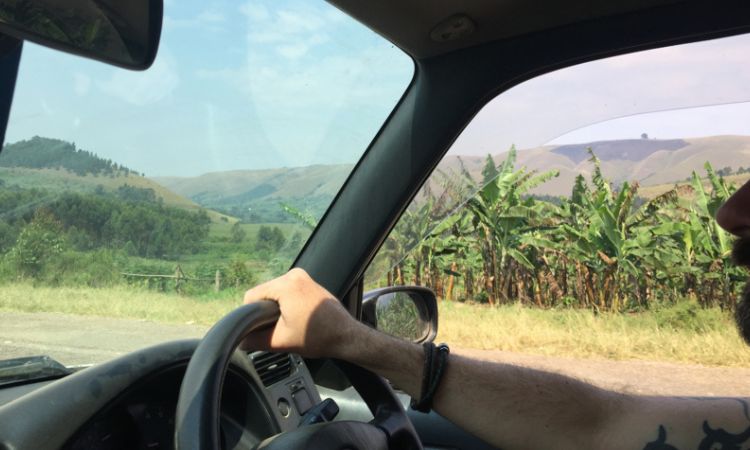
Requirements for Self-Driving in Uganda;
- Driver’s License: Foreigners can drive with a valid home country license (no International Driving Permit required in most cases, though carrying one is advisable).
- Minimum Age: Usually 21–23 years for rentals, with some companies requiring 25+.
- Vehicle: Rent a reliable 4×4 (Toyota Land Cruiser, Prado, or similar) from reputable firms with full insurance.
- Insurance: Comprehensive coverage is essential. Ensure it includes third-party liability.
- Documents: Carry passport, vehicle registration, and insurance papers at all times.
Safety Tips for Self-Driving in Uganda
- Avoid Night Driving: Stick to daylight hours (ideally arrive at destinations before 5 PM).
- Drive Defensively: Expect the unexpected — slow down in towns and villages.
- Vehicle Preparation: Rent from trusted companies with 24/7 support, spare tires, and emergency kits.
- Fuel and Supplies: Carry extra fuel, water, snacks, a first-aid kit, torch, and charged phone with offline maps.
- Security: Lock doors, avoid isolated areas after dark, and park in secure spots. While violent crime against tourists is rare, opportunistic theft can occur.
- Weather Awareness: Rain turns many roads slippery or impassable.
- Health & Fatigue: Take breaks; long distances can be tiring.
With proper planning, thousands of visitors enjoy self-drive safaris each year, gaining flexibility to stop at scenic spots or linger with wildlife.
Pros of Self-Driving
- Greater freedom and flexibility.
- Potentially lower costs than guided tours.
- Immersive experience connecting with local communities.
- Ideal for repeat visitors or those comfortable with African driving.
Cons and When to Avoid It
- Higher stress and safety risks for inexperienced drivers.
- Limited local knowledge (wildlife spotting, road shortcuts, cultural nuances).
- Challenges with park regulations or breakdowns in remote areas.
- Not recommended for first-time visitors to Africa or families with young children.
Guided safaris with professional drivers/guides remain the safer and more popular choice for most tourists. They handle navigation, wildlife interpretation, and logistics while you relax and enjoy the views.
Real Experiences and Recommendations
Many travelers report positive self-drive experiences on main tourist circuits (Kampala–Queen Elizabeth–Bwindi–Kibale), especially with a good 4×4 and apps like Maps.me. However, forums and recent reviews highlight that roads outside major towns demand respect and local knowledge.
Always check current travel advisories, road conditions, and weather before departure. Uganda is generally welcoming, but vigilance is key.
Self-driving in Uganda can be a rewarding adventure for confident drivers who prepare thoroughly and respect local conditions. However, for most international visitors, especially on their first trip opting for a professional guided safari significantly enhances safety, comfort, and overall enjoyment while maximizing wildlife encounters and cultural experiences.

Ready for a stress-free Uganda adventure? Join us at Car Hire Uganda. Our experienced drivers, comfortable safari vehicles, and expert guides take care of everything so you can fully immerse yourself in the beauty of the Pearl of Africa — from gorilla trekking in Bwindi to game drives in Queen Elizabeth and chimpanzee tracking in Kibale. Whether you prefer private guided tours or customized itineraries, we prioritize your safety and create unforgettable memories. Contact us today and let us handle the driving while you focus on the magic of your African safari!