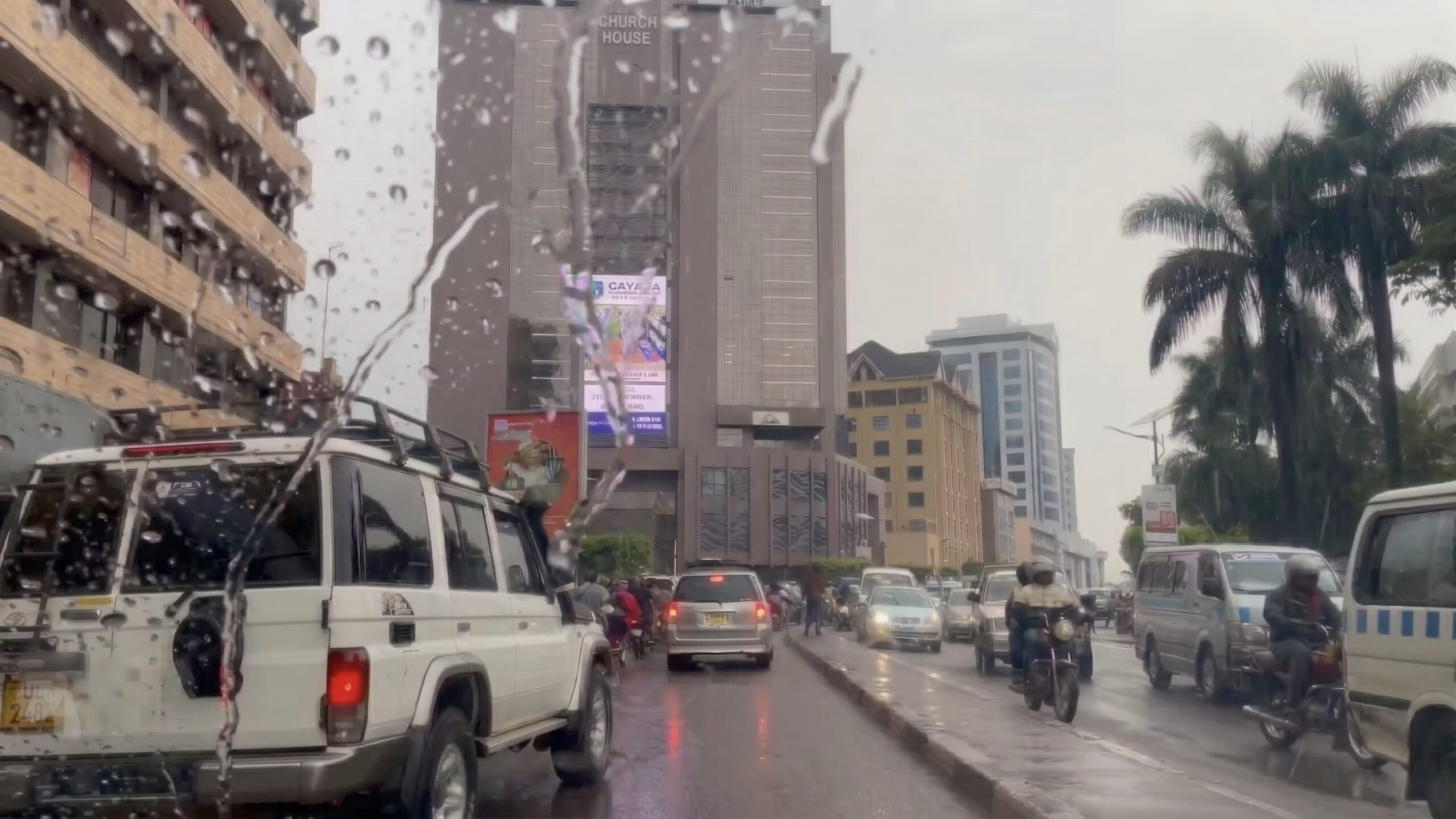
Self-Drive Uganda in the Rainy Season: What to Know (Oct–Dec)
Planning a self-drive trip in Uganda’s rainy season? Road conditions, the best 4x4s to hire, driving tips and how to book your car. Many travellers avoid Uganda between October and December because of the short rains.
If you’re willing to drive yourself, though, this can be one of the best times to explore the “Pearl of Africa.” The landscapes are at their greenest, parks are quieter, and lodges often offer low-season rates. A self-drive trip in the rainy season does take more planning. This guide covers what to expect and how to prepare.
What the Short Rains Are Really Like
Uganda’s short rainy season usually runs from October to December. It rarely means days of non-stop downpour. Most rain falls as heavy afternoon or evening showers, often followed by sunshine. Mornings are usually clear, which suits early game drives, crater lake walks and long stretches on the road.
Conditions vary by region:
- Southwest (Bwindi, Mgahinga, Lake Bunyonyi): the wettest, misty and cool at altitude
- Western circuit (Queen Elizabeth, Kibale, Fort Portal): frequent showers, lush and green
- North and northeast (Murchison Falls, Kidepo): generally drier, though dirt roads can still turn tricky
The Roads: Tarmac vs. Murram
Uganda’s main highways are tarmac and stay passable in the rain. Examples include Kampala–Masaka–Mbarara and Kampala–Fort Portal. The challenge begins where the tarmac ends.
Many park access roads and the final stretches to lodges are murram, the red-earth gravel roads common across East Africa. After heavy rain, murram can become slippery and rutted. In low-lying spots it can be waterlogged. Some routes that need extra care in the wet include:
- Roads into Bwindi, especially toward the Ruhija and Rushaga sectors
- Tracks in the Ishasha sector of Queen Elizabeth National Park
- Northern routes toward Kidepo Valley
None of this should put you off. It simply means the vehicle you choose matters more than at any other time of year.
Choose a Proper 4×4
In the rainy season, a 4×4 is essential. Look for:
- True four-wheel drive with low-range gearing for climbing muddy hills and crossing slick sections
- Good ground clearance to clear ruts and deep puddles
- All-terrain tyres in good condition, since worn tyres are the most common cause of trouble on wet murram
- A full-size spare, jack and wheel spanner, all checked before you leave
The Toyota Land Cruiser is the most capable choice on difficult roads. A Prado or RAV4 works well on mostly tarmac routes with lighter dirt sections. See our recommended cars below.
Best Rental Cars for Uganda’s Rainy Season
These are the vehicles from our fleet we recommend most for October–December trips. All are 4x4s and are serviced before every hire.
1. Toyota Land Cruiser Prado TX

The all-round favourite for self-drive. It’s comfortable on long tarmac stretches and confident on wet murram, with full-time 4WD and seating for up to five. See the Land Cruiser Prado TX →
2. Toyota Land Cruiser GX

A tough, no-fuss workhorse with high ground clearance. It’s ideal for the muddy roads into Bwindi and the Ishasha sector. See the Land Cruiser GX →
3. 4×4 Land Cruiser Hard Top Extended (Safari Land Cruiser)

Built for safari, with a pop-up roof for game viewing, room for larger groups and the strength to handle the worst rainy-season roads. See the Safari Land Cruiser →
4. Land Cruiser with Rooftop Tent

Camping in the rain? A rooftop tent keeps you off the wet ground. It’s a great choice for travellers who want flexibility and lower accommodation costs. See the Rooftop Tent Car →
5. Toyota Land Cruiser V8

The premium option: powerful, spacious and very capable off-road. It suits travellers who want maximum comfort on long rainy-season drives. See the Land Cruiser V8 →
6. Toyota RAV4

The budget-friendly 4×4. It’s best for routes that are mostly tarmac with short dirt sections, like Kampala–Jinja, Lake Mburo or Fort Portal. For Bwindi or Kidepo in the rain, choose a Land Cruiser instead. See the Toyota RAV4 →
Not sure which car suits your route? Tell us your itinerary and we’ll recommend the right vehicle.
Rainy Season Driving Tips
- Drive early. Plan long stretches for the morning, before the afternoon rain sets in. Aim to reach your lodge by mid-afternoon.
- Slow down on murram. Wet red earth can be as slick as ice. Brake gently, avoid sudden steering, and use low gears on descents.
- Walk it first. If a puddle or washout looks deep, get out and check it before driving through.
- Follow existing tracks. Ruts left by trucks and buses often show the firmest path.
- Never drive after dark. Poor visibility, potholes, pedestrians and livestock make night driving risky in any season, and more so in the rain. Read more in our guide to driving at night in Uganda.
- Allow extra time. A journey that takes five hours in the dry season may take six or seven in the wet. Build buffer days into your itinerary.
- Ask locally. Lodge staff, park rangers and boda-boda riders know which roads are passable that day.
What to Pack in the Car
Before you set off, run through our car inspection checklist and pack the essentials from our car emergency kit checklist:
- Recovery gear: tow strap, shovel and sand or traction mats if available
- A charged power bank and a phone with offline maps downloaded
- Drinking water and snacks in case of delays
- Rain jackets, waterproof boots and dry bags for electronics
- A basic first aid kit
- Your rental company’s emergency contact number, saved and written down
Why Rainy Season Self-Drive Is Worth It
- Fewer crowds: game drives and viewpoints feel more private
- Lower prices: many lodges cut their rates in the low season
- Easier permits: gorilla and chimpanzee trekking permits are easier to secure at short notice
- Spectacular scenery: the hills, tea plantations and crater lakes are at their most vivid
- Great birding: migratory species arrive, making it a rewarding time for bird watchers
Gorilla trekking also runs all year. Trails will be muddier, but good boots and a walking stick will see you through, and the forest is beautiful in the mist.
Frequently Asked Questions
What is the rainiest month in Uganda?
April is usually the wettest month, at the peak of the long rains (March to May). In the short rains, November/December tends to be the wettest. The southwest, around Bwindi, gets the most rain overall.
What is the best month to go to Uganda?
The dry seasons, June to September and December to February, are the most popular. Roads are easier and trekking trails are drier. For a self-drive trip, June to August is ideal. The rainy months still have real advantages, including lower prices, fewer crowds and the greenest scenery.
How do you drive safely in Uganda’s rainy season?
Hire a proper 4×4 with good tyres, drive in the mornings, slow down on murram roads, never drive at night, and add extra travel time to your plans. Check road conditions with your lodge or rental company before each leg.
Is self-drive the same as a self-driving car?
No. Self-drive means you rent a car and drive it yourself, without a hired driver or guide. Self-driving (autonomous) cars aren’t available for hire in Uganda, and Uganda’s murram roads in the rain still need a capable human behind the wheel of a 4×4.
Plan Your Rainy Season Road Trip With Us
A well-prepared 4×4 is the difference between a stressful trip and an unforgettable one. Our self-drive vehicles are serviced, fitted with suitable tyres and equipped for Uganda’s roads in every season. We can also advise on routes and current road conditions before you set off.
How to Book Your Rainy Season 4×4
- Choose your car: pick from the vehicles above or browse our self-drive Uganda fleet.
- Send your dates and route: fill in the booking form on our Contact Us page.
- Get your quote: we’ll confirm availability, price and any extras, such as a rooftop tent, camping gear or an airport pickup.
- Confirm and drive: we deliver your vehicle in Kampala or at Entebbe Airport, ready for the road.
Want to see the full rental terms first? Read our car rental terms and conditions.